

Economic Sectors Driving Malaysia Forward
Learn which sectors contribute most to the economy — from manufacturing and services to technology and tourism, and why their growth patterns matter.
Read MoreUnderstanding the three approaches that measure economic output and what the numbers actually mean

Gross Domestic Product (GDP) is basically the total value of everything a country produces in a year. It’s like taking a snapshot of how much economic activity happened. Malaysia’s GDP tells us whether the economy’s growing, shrinking, or staying stable — and that matters because it affects jobs, wages, and what the government can spend on schools and hospitals.
The thing is, there’s not just one way to calculate it. Economists use three different approaches, and they’re all valid. Each one starts from a different angle but should arrive at roughly the same number. Understanding how these methods work helps you read economic reports without getting lost in the jargon.
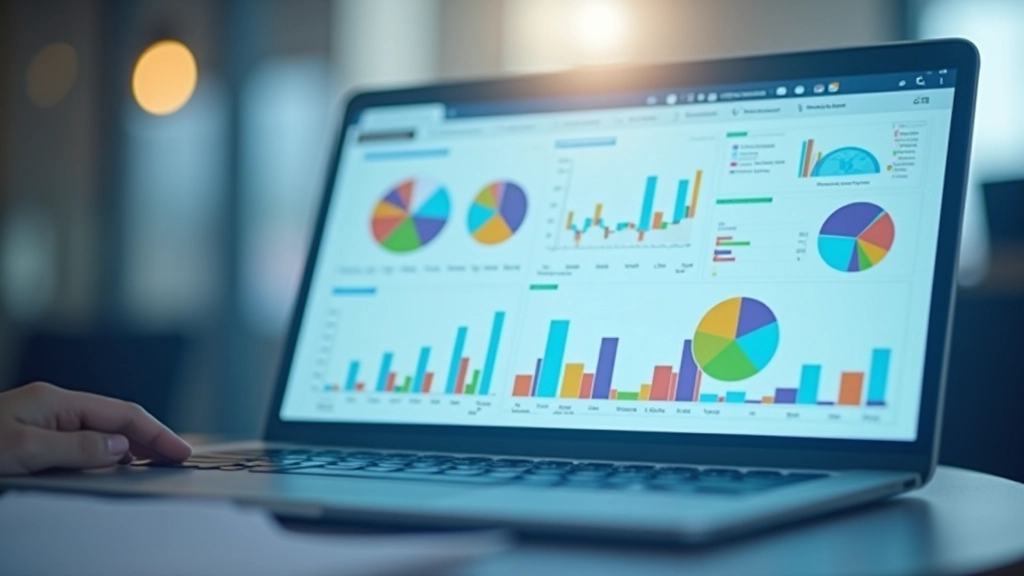
Each method measures the same thing from a different perspective
This method adds up everything people, businesses, and the government spend. You’re looking at consumer spending on goods and services, business investment in factories and equipment, government spending on infrastructure and salaries, plus net exports (what Malaysia sells abroad minus what it imports). It’s like asking: “How much money was actually spent in the economy this year?”
This one focuses on earnings. It adds up all the income generated from producing goods and services — wages that workers earn, profits that businesses make, rent paid for using property, and interest on loans. Basically, it’s measuring how much income was created when things were produced. The logic is simple: when someone produces something valuable, they earn money for doing it.
This method counts the value of goods and services produced in each sector — manufacturing, agriculture, services, technology, and so on. You add up the value of everything made, but you’re careful not to double-count. For example, you count the final car value, not the car plus its engine plus its tires separately. It’s the most direct way to measure: “What did Malaysia actually produce this year?”
It sounds strange that three completely different approaches would produce the same number, but there’s a reason. Money flows in a circle through the economy. When a business sells something, that revenue becomes income for workers and profits for owners. When people earn income, they spend it on goods and services. It’s the same money, just measured from different angles.
In practice, the three approaches don’t always match exactly — there’s usually a small difference called the “statistical discrepancy.” The Department of Statistics Malaysia (DOSM) uses sophisticated data collection from businesses, households, and government to make these numbers as accurate as possible. They’re constantly refining the estimates as more complete data comes in.
The real value isn’t picking which method is “best.” Each one tells you something useful. The expenditure approach shows you consumer confidence and investment trends. The income approach reveals wage growth and business profitability. The output approach breaks down which sectors are driving the economy. Together, they paint a complete picture.

Malaysia’s Department of Statistics (DOSM) is your source for official GDP figures. They publish quarterly GDP reports that break down growth by approach, by sector, and by year-over-year changes. You’ll find preliminary estimates about 6-8 weeks after each quarter ends, then revised figures later when more data comes in. That’s normal — the first estimate is based on partial data, and revisions happen as complete information arrives.
DOSM also publishes detailed “National Accounts” documents that show you exactly which sectors contributed how much to growth. Manufacturing, wholesale and retail trade, professional services, tourism — you can see the numbers for all of it. These reports aren’t meant to be scary. They’re designed to help you understand what’s actually happening in the economy. If you’re reading about Malaysia’s economy in the news, these DOSM reports are what journalists are usually referencing.
The beauty of official statistics is that they’re transparent and methodologically sound. You can see the formulas, the data sources, and the assumptions they’re using. That’s different from random economic commentary — DOSM figures have been verified, audited, and cross-checked. When you’re trying to understand Malaysia’s economic health, starting with DOSM data puts you on solid ground.
It’s the total value of goods and services produced in Malaysia during a specific period, usually a year or quarter.
Expenditure, income, and output methods all measure the same thing differently. They should align because money circulates through the economy in predictable ways.
Malaysia’s Department of Statistics publishes quarterly reports with detailed breakdowns by sector and approach. These are your most reliable source for understanding the economy.
Whether GDP grew 3% or 5% this quarter compared to last year tells you more about economic momentum than the raw GDP figure itself.
This article provides educational information about how GDP is calculated and interpreted. The content is designed to help you understand macroeconomic concepts and how to read official statistics. For specific economic analysis, investment decisions, or policy guidance, consult with qualified economists, financial advisors, or official government sources like DOSM. Economic circumstances change frequently, and data gets revised as more information becomes available.